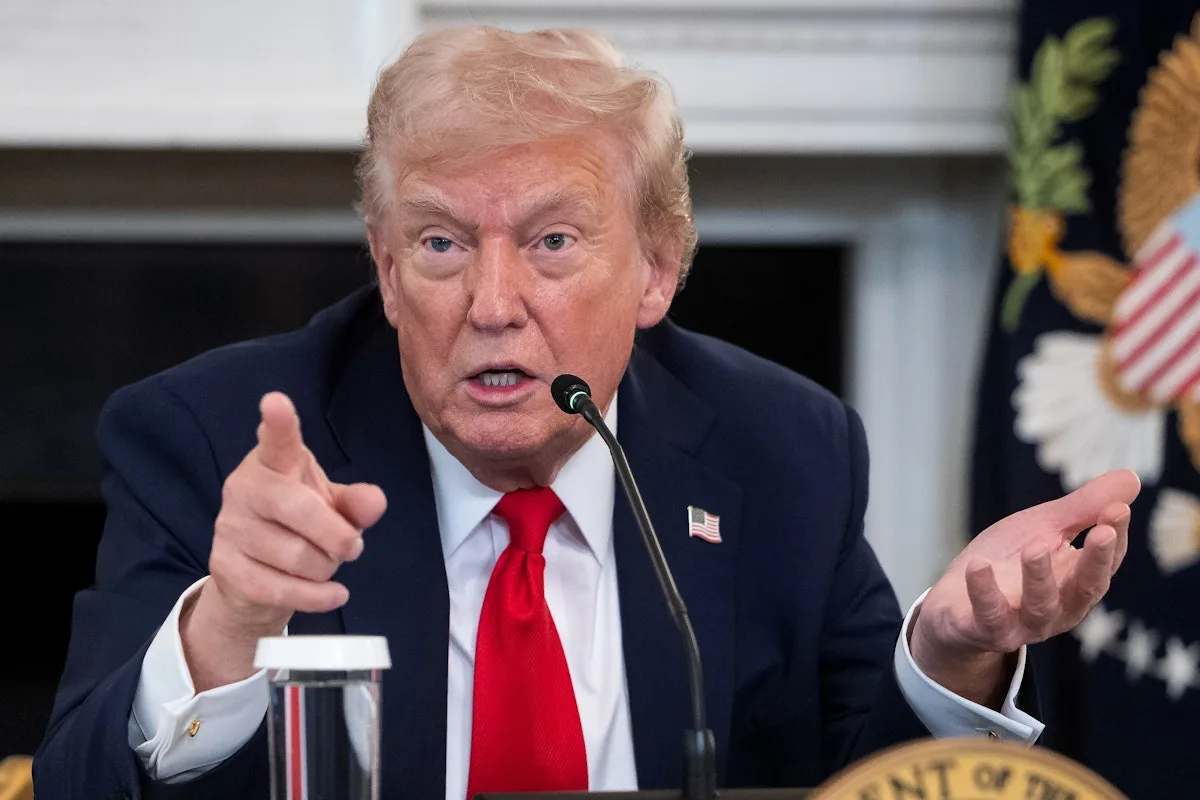
The announcement came quietly from Oslo — yet within minutes, the world felt the tremor. Donald Trump had lost the Nobel Peace Prize.
For weeks, his team had hinted victory was inevitable. A speech had been drafted, champagne chilled. Insiders said he was “confident beyond doubt.” But when the result was revealed, that confidence shattered — replaced by the familiar fire of Trump’s fury.
1. The Freeze — “Norway Will Pay the Price”
Less than a day later, Trump reappeared before cameras, his expression tight, voice steely. “If Norway and its partners think they can insult America, they’re mistaken,” he declared.
He announced an immediate freeze on all cooperative programs and humanitarian aid involving Norway — what he called a “righteous counterattack against injustice.”
The statement sent shockwaves across Europe. In Oslo, the foreign ministry reportedly held emergency talks overnight, trying to assess whether the U.S. was serious. The silence that followed from Washington was more chilling than any threat.
To Trump’s supporters, it was vintage defiance — the image of a man who refused humiliation. To his critics, it was reckless vengeance disguised as patriotism.
2. The Digital Outburst — Fury in 280 Characters

Hours later, Trump took to social media, his weapon of choice. In a stream of messages that lit up timelines across the globe, he accused the Nobel Committee of “corruption, bias, and manipulation.”
“Everyone knows this prize is rigged,” he posted. “It’s a political show run by Norway — not peace, but propaganda.”
The tweets went viral within minutes. Some rallied behind him, echoing claims of Western bias. Others mocked him, creating memes that spread faster than his own words.
By dawn, the world had split into two camps: those who pitied him — and those who pitied the world.
3. The Third Blow — A Warning Cloaked in Pride
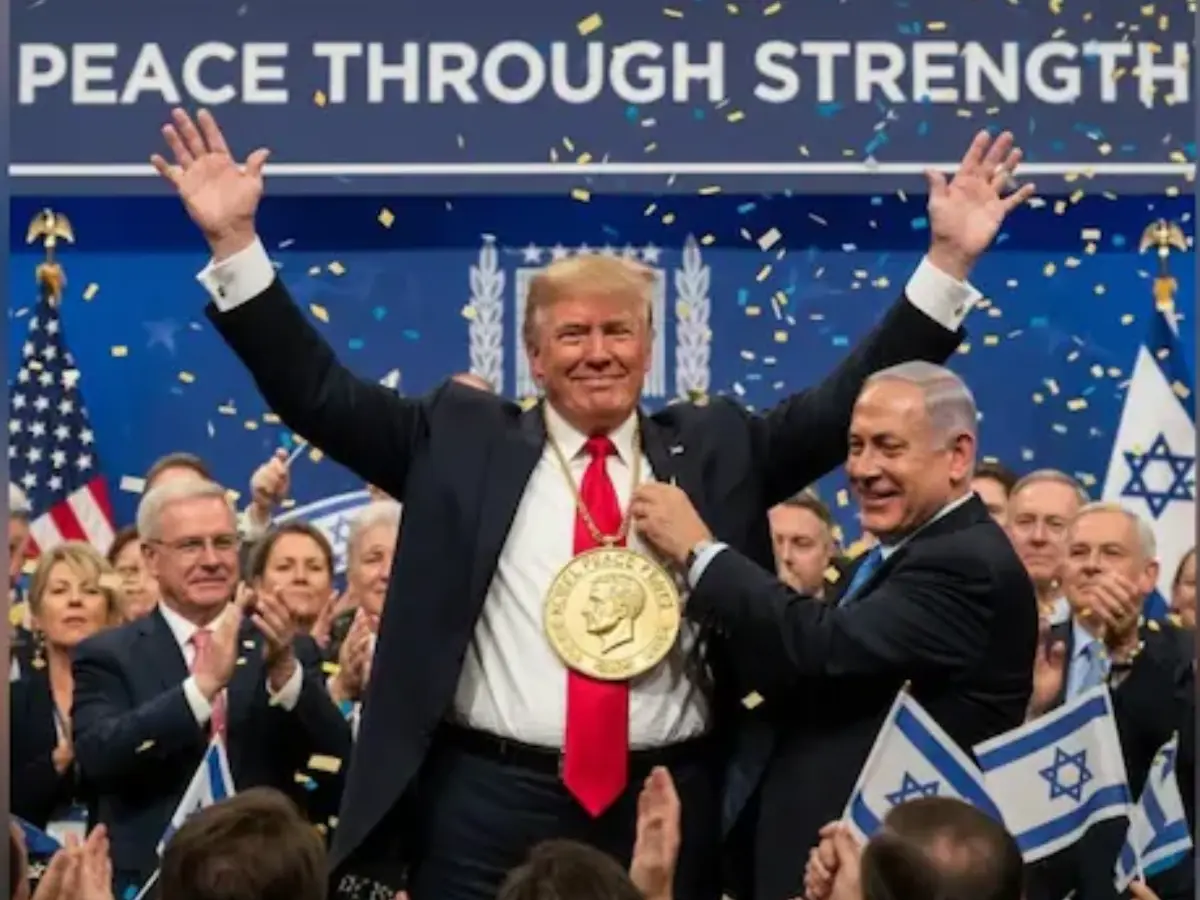&imwidth=800&imheight=600&format=webp&quality=medium)
Behind closed doors, Trump’s advisers reportedly urged restraint. But restraint has never been his hallmark. The next day, he gave a speech in Florida, his tone controlled yet dripping with venom.
He warned that “countries that think they can embarrass America will soon regret it.” He never mentioned Norway by name again, but the message was unmistakable.
In those few sentences, the world saw a man still fighting battles that diplomacy could never win — the war between ego and acceptance.
4. The Aftermath — Silence from Oslo, Noise Everywhere Else
The Norwegian government refused to comment, and the Nobel Committee maintained its silence, issuing only a short statement reaffirming its independence.
That silence was deafening. For Trump, it was salt in the wound — a reminder that sometimes, power means refusing to engage.
But for his base, it was vindication. “They’re afraid to answer him,” one supporter said online. “He’s telling the truth they can’t handle.”
Across the Atlantic, late-night shows turned the incident into satire, but beneath the laughter lingered something deeper — a question about what kind of leadership history remembers: the calm that absorbs insult or the fire that refuses to forget it.
5. A Moment Etched in Memory
For those watching — especially readers who have lived through decades of political storms — this moment carried a sense of déjà vu. Pride wounded, power challenged, and the old lesson returning once more: sometimes losing gracefully takes more strength than winning at all.
As the lights dimmed in Oslo that night, the world’s cameras turned elsewhere. But the echoes of Trump’s rage lingered — a reminder that even in defeat, some leaders refuse to bow to silence.
Because for Donald Trump, every loss is simply the opening act of his next war.